These 12 Days of Christmas we are walking through the rooms of a monastery to help us explore and deepen the rooms of our heart. On the first day we walked together through the gate, the entrance to the monastic space, which can be interpreted also as the walk inside ourselves. From there on the second day we invited you into the monastic cell, which also stands for the chamber of our heart. Yesterday we pondered the monastic church as a sacred place of shared spirituality we try to create in our own lives. Today we arrive at another central place of the monastery, just behind the chapel: the kitchen!

In this time of expectant waiting, whether your heart is burdened or joyful or some of both, we hope that  Christmas soon will find you where you are.    

Advent is a pregnant time, a time of expectant waiting.  This Advent has been transformed for us because we are indeed…

Spring break is a good time for doing all sorts of things: cleaning up, writing articles, having a vacation. For many it is also just work as usual.  But being called to mourning is an existential task. No religion can do it for us. It cannot be mere theater that we watch.  But religion can help us to be reminded and can provide for us an occasion. There is no resurrection, no new beginning without the deep mourning of the old, without letting go what we loved so dearly, without mourning our losses. 

The alphabet of the Spirit: A conversation with Evagrius Ponticus

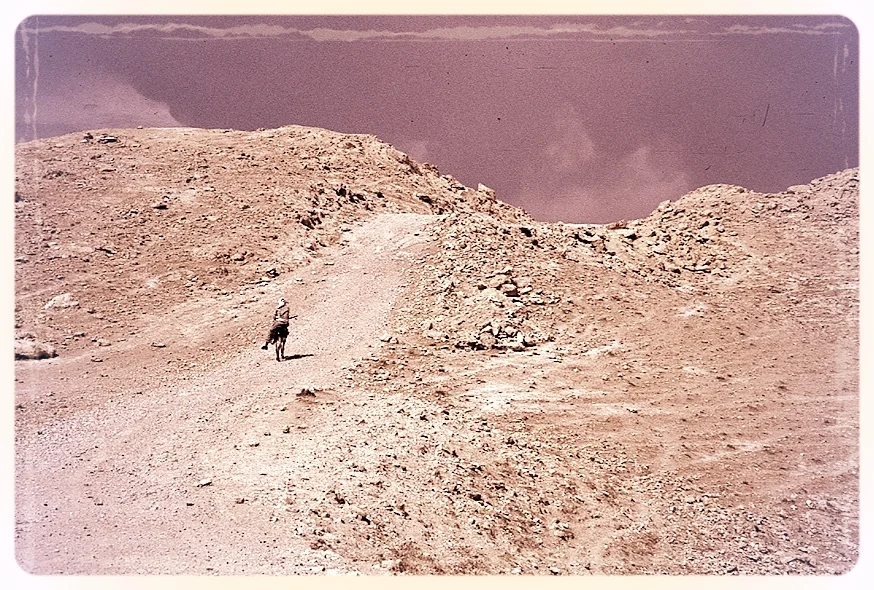
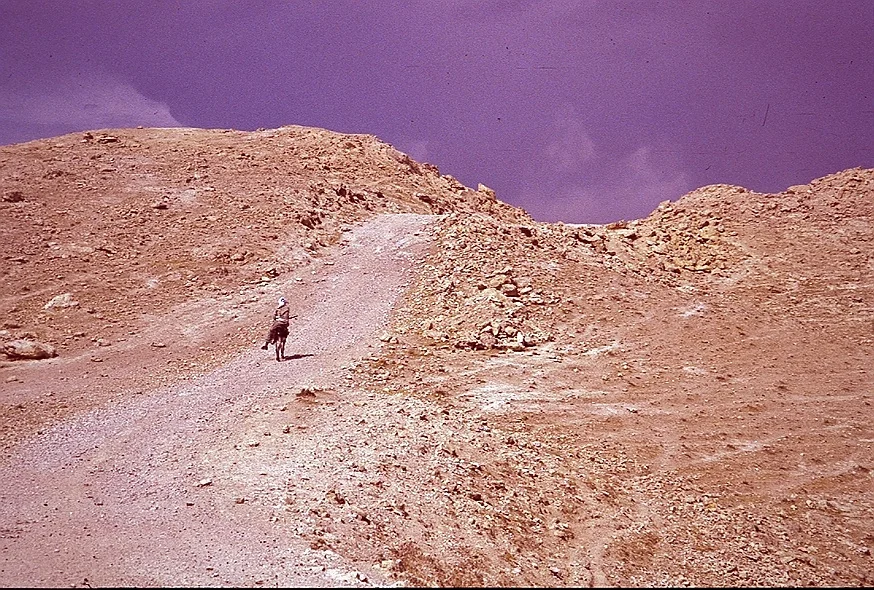
Three hundred years after the death of Jesus on the outskirts of Jerusalem and 1,000 kilometers away, the habitable margins of the deserts of Egypt were filling up with strange people devoted to becoming more like him.  The eldest and most revered of these are called the Desert Elders.  Most were native Egyptian villagers and peasants who left their villages and farms to enter the desert and follow more seriously the way of Christ.  They were mostly poor, not well educated, and of lower social class.   Their language was Coptic, with its roots in the ancient agriculture of the Nile. 

Walking with the Desert Elders through Lent: An invitation

The deep origins of Christianity are in the desert. It was an urban and pastoral culture on the edge of the desert into which Jesus was born. When he was baptized, Jesus was driven to walk into the desert for 40 days of fasting and reflection.  The origins of monasticism came from Christians walking into the desert, away from the distractions and comfort of urban society.  This Lent, we will be reflecting on the spiritual journeys and wisdom of those desert Elders.  What knowledge can these gentle and severe extremists bring us for our own life journeys?

Courage for Solitude: With Some Help from Rainer Maria Rilke

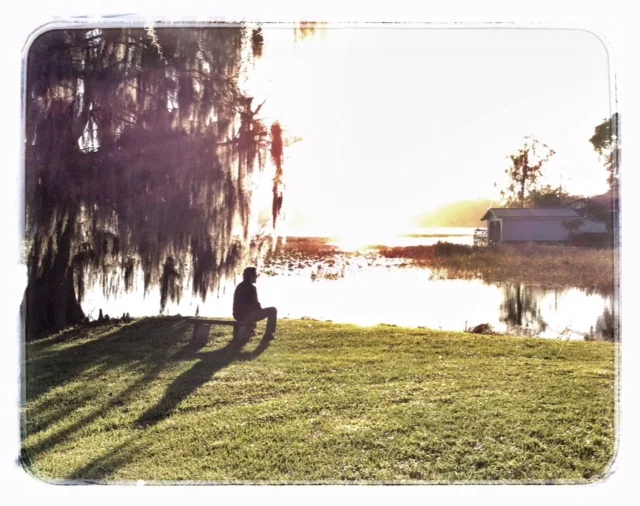
Currently on our own writing retreat tucked away on a little island in mainland Florida surrounded only by water and wildlife we came to ponder on the art of solitude in new ways. It is not always easy to be with each other in solitude.  Suddenly you are met by problems which long wanted to be discussed, by duties which long needed to be done, by questions which have long waited for answers, even by a blog post which is not written yet. 

In 1962, I was seven years old.  My sister and I were watching cartoons on Saturday morning when the picture tube of the television died.  Ploop.  Darkness.  The argument about whether we would watch Tarzan or Captain Kangaroo was now moot.  Mother's solution to this argument was to never repair the television.   So I never watched the moon landings.  Or pictures of the Vietnam War.  Or President Kennedy's speeches. I was pressed into duty handing out campaign literature for Barry Goldwater.  But I never watched the Rev. Dr. King give a speech, or march; I never saw the news reels of black protesters' bodies rolling down the street assaulted by water from firehoses. I saw neither the terror nor the triumph of the civil rights movement.