Welcome to our βlittle cloisterβ
where we
EXPLORE MONASTIC WISDOM FOR EVERY DAY LIVING
Drs. Almut & Chuck with little one
Home of
+The Hildegard Seminar,
+Kierkegaard Masterclass,
+Bach Passionweek Consolations,
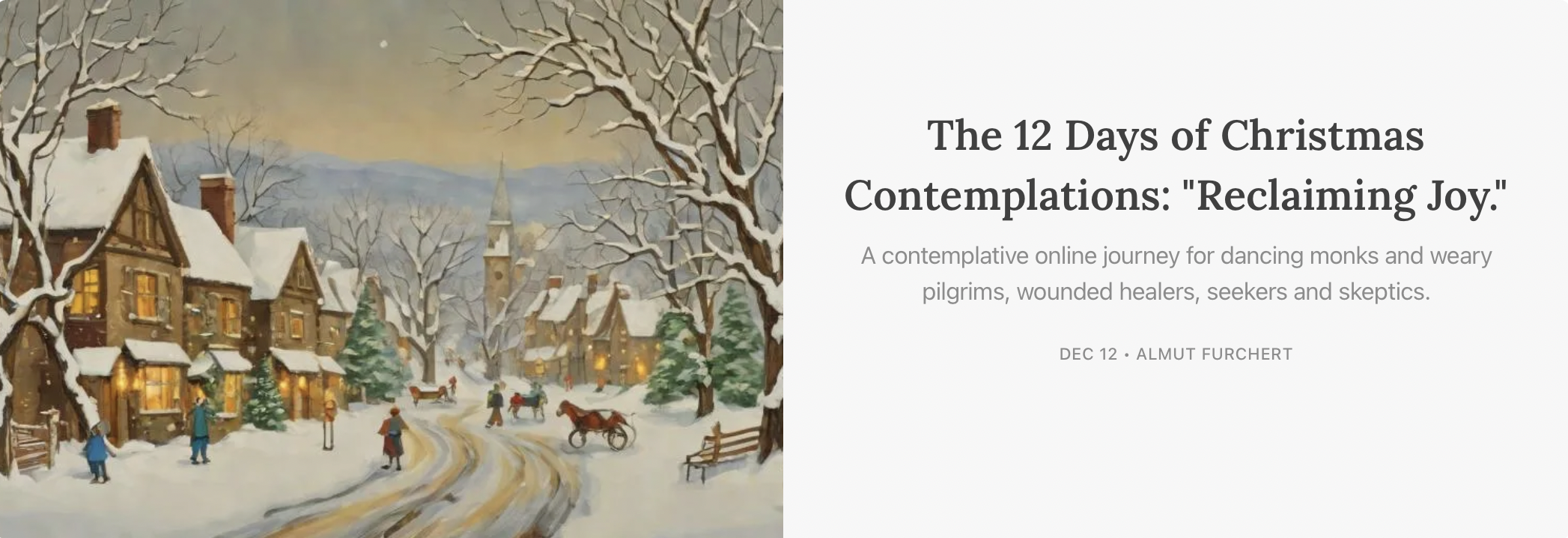
+The 12 Days of Christmas Contemplations &
+The βLittle Schoolβ of Spiritual Formation

Reflections from The Cloister
for weary pilgrims, dancing monks and all who long for a deeper way
This is our thematic archive of our Reflections before we moved them to our new substack home, where you now can find our most recent βCloister Notes.β
Enjoy your scroll through reflections On Being Human, on the interior journey, on seasonal themes, monastic wisdom, existential insights, Hildegard if Bingen, Soren Kierkegaard, RM Rilke, CG Jung and many others.
And do not forget to leave your email below to receive our weekly Cloister Notes in your inbox :-)
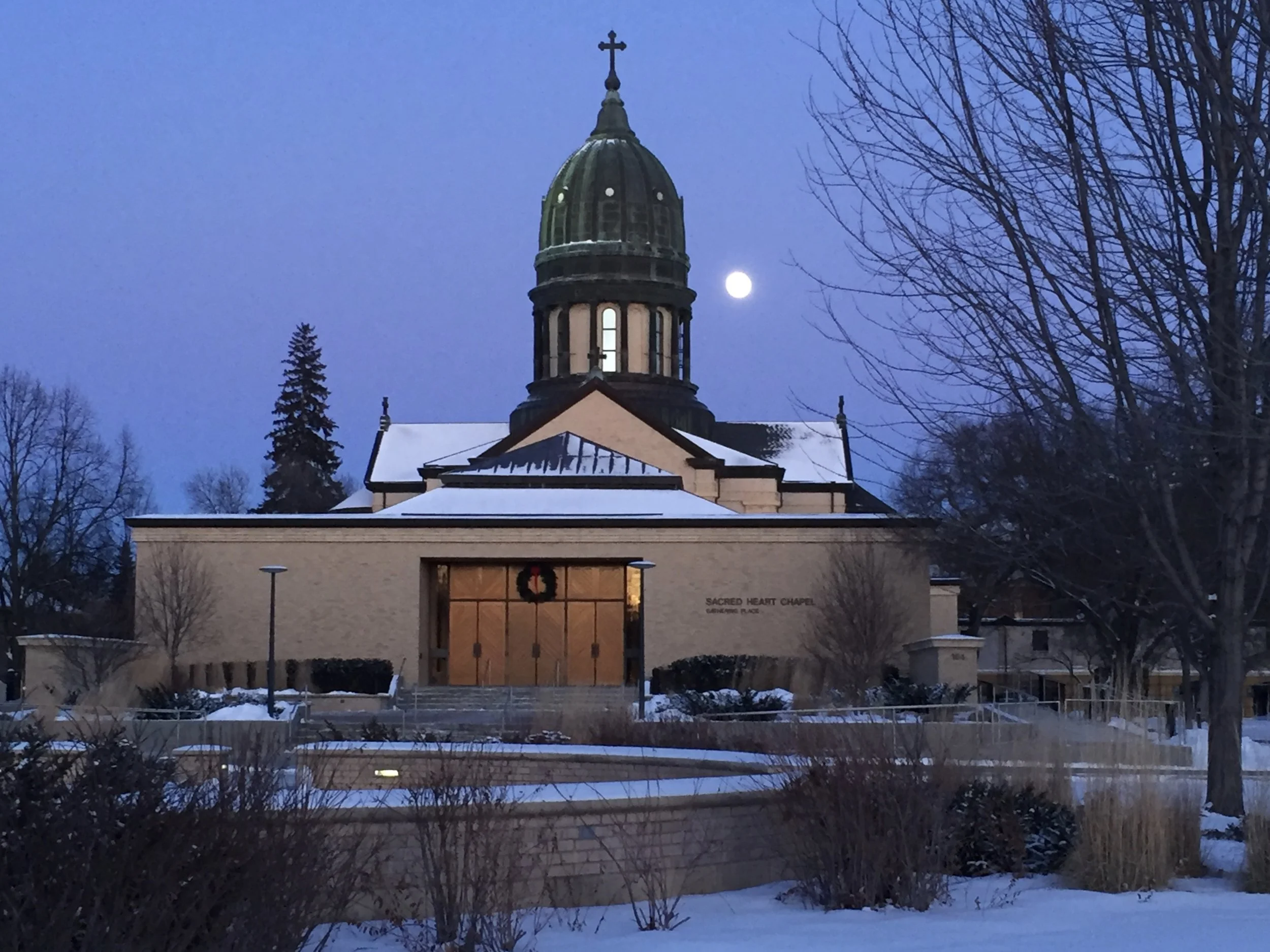
With this image of the moon rising over the Sacred Heart Chapel at Saint Benedict's monastery, MN on New Year's Eve we greet you at this turn of the year. By gracious powers wonderfully sheltered is a much-loved hymn by Dietrich Bonhoeffer that is widely sung in German speaking lands at this threshold. May it comfort you walking into the new....
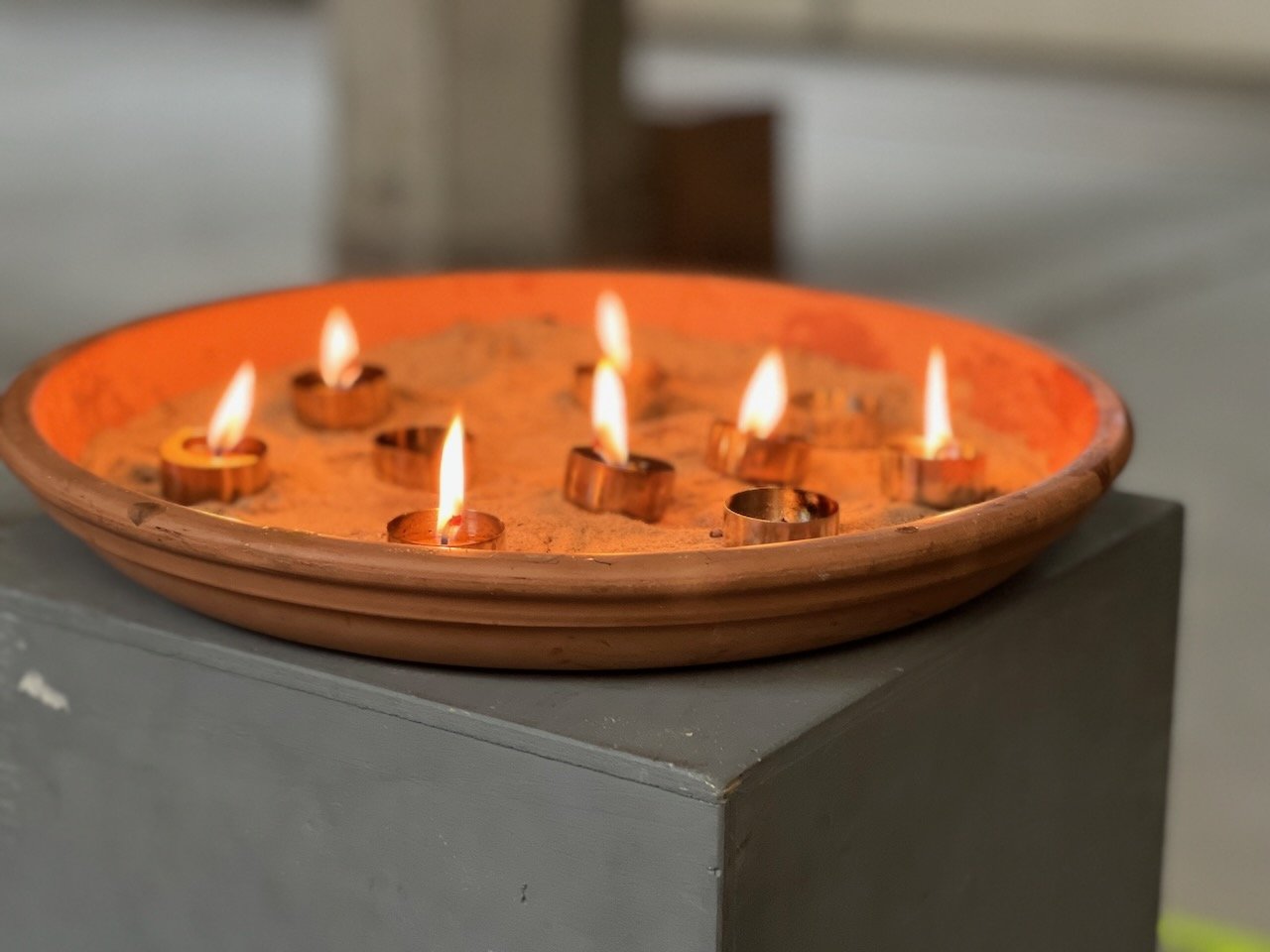
What I most long for at Christmas is silence. When the hustle and bustle fades, the people go home and the lights go off. Left alone before the flicker of a last candle, wondering, even doubting, what this is all aboutβ¦
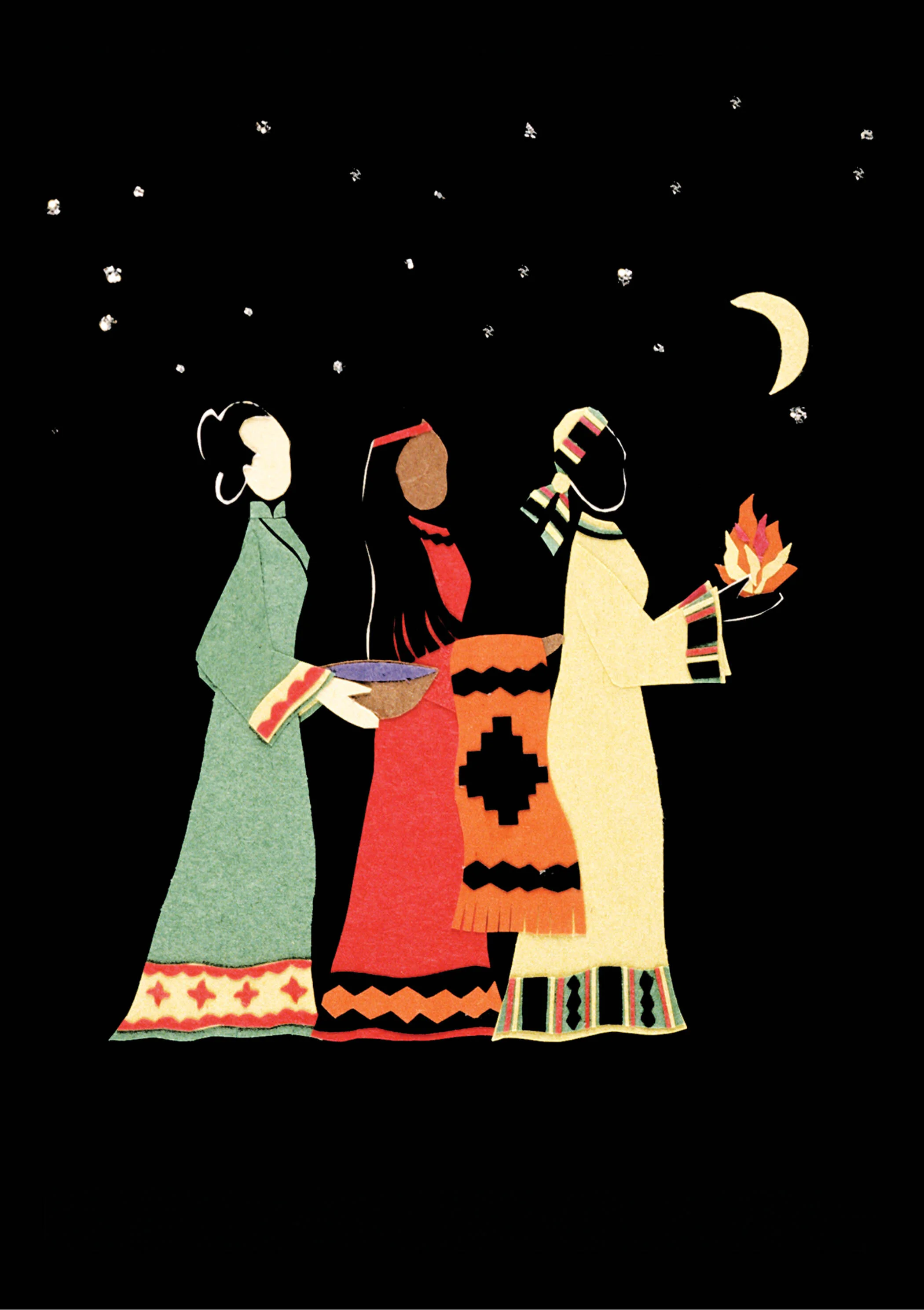
Some women point out rightly that if it had been three wise women, they would have brought different gifts to the holy child, perhaps a blanket and some food, and they might have watched the baby so Mary could sleep. But when we translate the story into our own inward journey, bringing our most precious gifts might not be so inappropriate, after all.
Today, on the last step of our journey though the 12 days of Christmas we invite you to ponder the Divine word within.
On this third Day of Christmas we invite you to ponder the βvirgin heart.β
Hildegard helps us to see that we have, all along, already been traveling with the wise (wo)men on their journey. This is the journey of the heart to the place where Divine wisdom dwells, away from what we considered urgent and important and towards the living light, who wants to dwell in us.
This Christmas Eve might be the darkest and quietest night for many, one not seen in a life time. It might well be the night which brings us closest to the original Christmas. No busy church services calling for attention. No big family meals to prepare or plan. No last minute shopping in overflowing malls. Thrown back onto ourselves we walk into this night wondering, quietly, pregnant with the unknown β¦
Have you wrapped up the Christmas season yet after the three kings left the scene? Or may be wondered how to make sense of Divine birth the rest of the year? Here is an invitation to pause at the threshold to βordinaryβ times once again and ponder the mystery of Divine birth with a little help from two of my favorite depth psychologists: SΓΈren Kierkegaard and C.G. Jung.

The tale of three wise kings sounds too much like a fairytale from former times, but, on the second view, it may hide deep wisdom. Arenβt we all know of wannabe kings, who do not rest, until the world bows before them? Much rarer are the real kings who courageously humble themselves to bow before a higher truth. Therefore I like that the kings of Epiphany are supposed to be wise kings. How urgently we need wise leaders in this world, donβt you think?
Whether or not we have eyes to see, the Christ child is being born, God is with us, the Divine is seeking shelter, all around us. The holy birth is not reserved for Christmas Eve. It happens for us every time again, when we open our heart to a sacred encounter
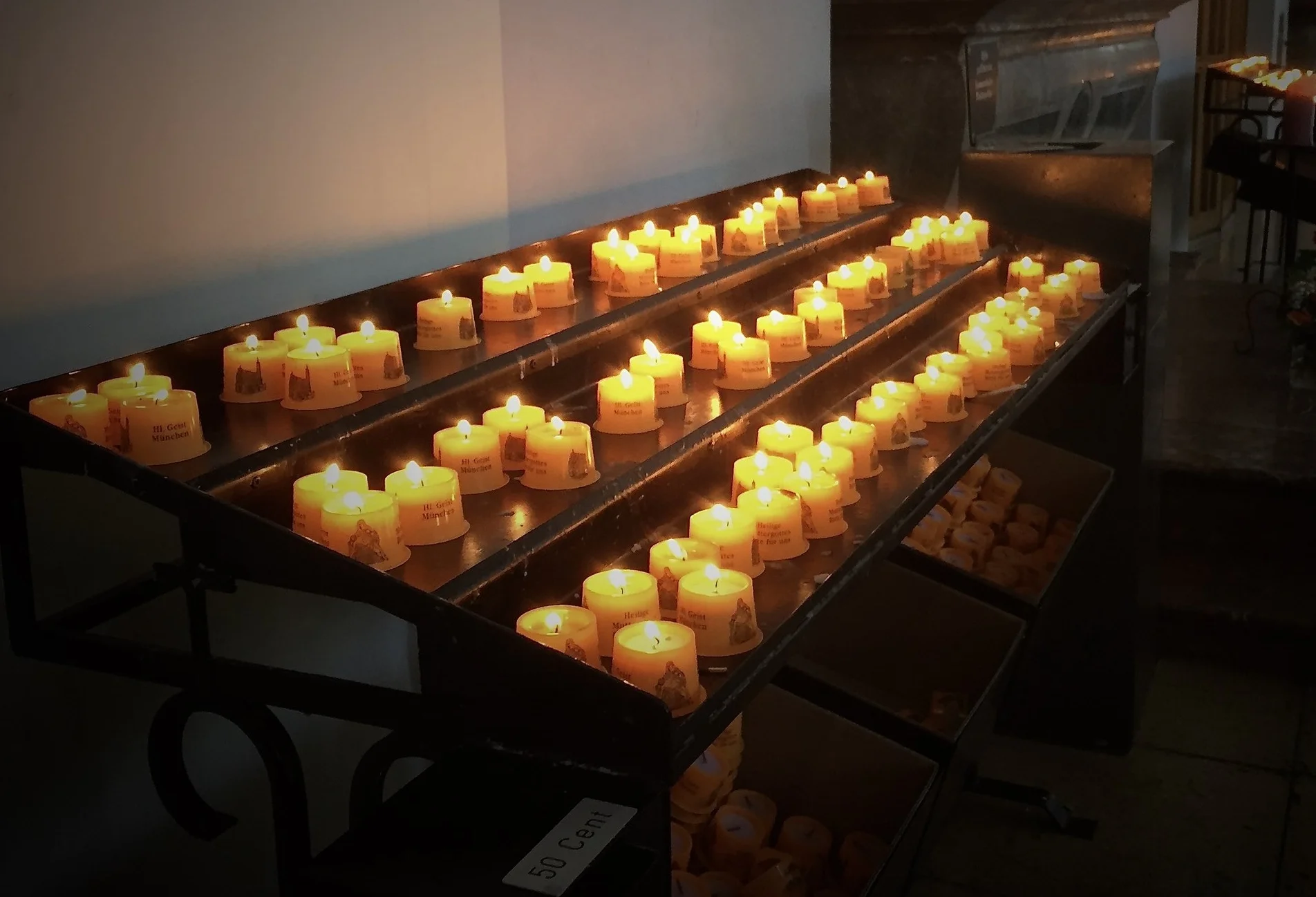
Today we invite you to light a candle for your sorrows. If God Almighty had wanted to send a loud message to the world he could have stuck to Hallelujah choruses and angel choirs. Or a mighty king proclaiming the will of God. But instead God bends down deeply, silently, into the night of our sorrows, where we feel little and vulnerable just as a newborn childβ¦
What I most long for at Christmas is silence. When the hustle and bustle fades, the people go home and the lights go off. Left alone before the flicker of a last candle, wondering, even doubting, what this is all aboutβ¦
For some, mother's day comes with a bittersweet undertone. No happy children posting happy messages. Some have lost their children before they could birth them, some lost them later, to death or to life. All mothers are also daughters, some cherishing, some mourning, some still struggling with their own mothers.
What if Christmas is not about building walls but creating space, sacred space where the Divine can dwell? We all are called to be Mary, to conceive the Divine, to walk pregnant with it and to birth it into our night.
Tending to our weaknesses isnβt what we learned at school. Still it is part and parcel of our spiritual journey. From the monastic infirmary we learn that weakness needs its room, that we must come to terms with, and even welcome, our vulnerabilities, our brokenness and our need for healing.
Who is this King of Glory? Oddly, when we open the doors, our royal guest is an infant. And the child comes in the most astonishing and appropriate way, borne by a mother in pain and hope, born in poverty, bound to a life of wandering and homelessness.
In this time of expectant waiting, whether your heart is burdened or joyful or some of both, we hope that Christmas soon will find you where you are.
Advent is a pregnant time, a time of expectant waiting. This Advent has been transformed for us because we are indeedβ¦
Have you wrapped up the christmas season yet after the three kings have left the scene? Here is an invitation to pause at the threshold once again to ponder the mystery of Divine birth with a little help from two of my favorite depth psychologists: SΓΈren Kierkegaard and C.G. Jung.

Some women point out rightly that if it had been three wise women, they would have brought different gifts to the holy child, perhaps a blanket and some food, and they might have watched the baby so Mary could sleep. These would have been wise gifts for a cold infant in winter and an exhausted mother. But when we translate the story into our own inward journey, bringing our most precious gifts might not be so inappropriate, after all.
With Epiphany approaching here is an invitation to ponder the mystery of Divine birth once again with a little help from two of my favorite depth psychologists: SΓΈren Kierkegaard and C.G. Jung.
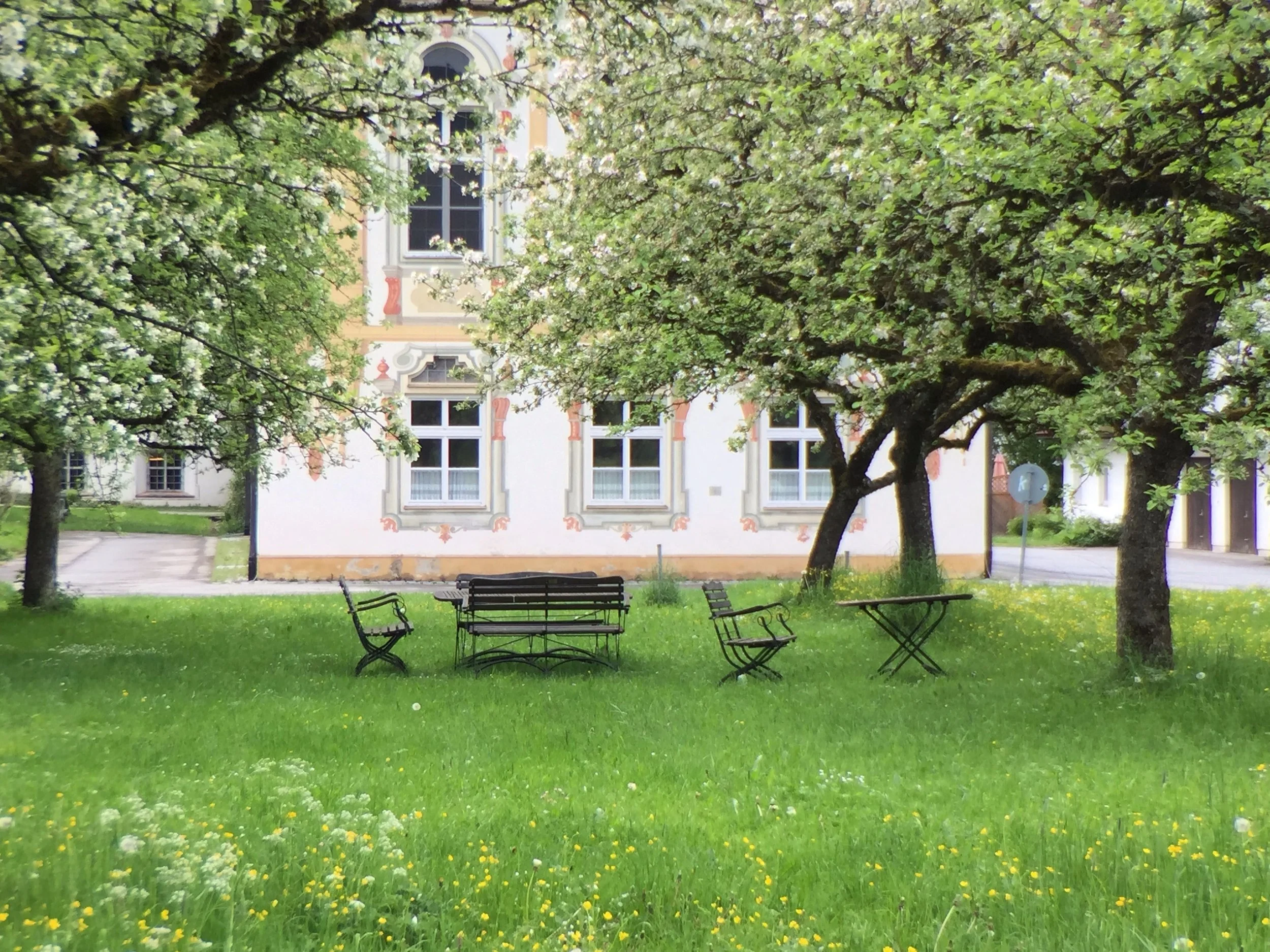
Kierkegaard tells a tale of a man rowing out on a lake in the quiet of dusk. The shallow lake lay silent beyond the circles where the oars broke the surface of the water, trickling little droplets of murky water back into the boat. It was then that an oar hit a dark object on the shallow floor of the lake. When the man lifted it out of the water he found himself looking at a little treasure chest...


Β
Yesterday we practiced looking at the Divine birth through the eyes of a child. Today I would like to offer some guidance about the story of wise men from the medieval Abbess and spiritual guide Hildegard of Bingen. In her Christmas homilies, she invites us to translate the Christmas story into the heart's journey. But what does Epiphany, the feast of the three kings, have to do with our heart's journey?
Or CAN'T YOU SEE, THE JESUS BABY IS FREEZING! What if we could see Christmas through the eyes of a child again? What if we were able to put our adult perspective away for a while and just listen in child-like innocence to the unfolding of this story?
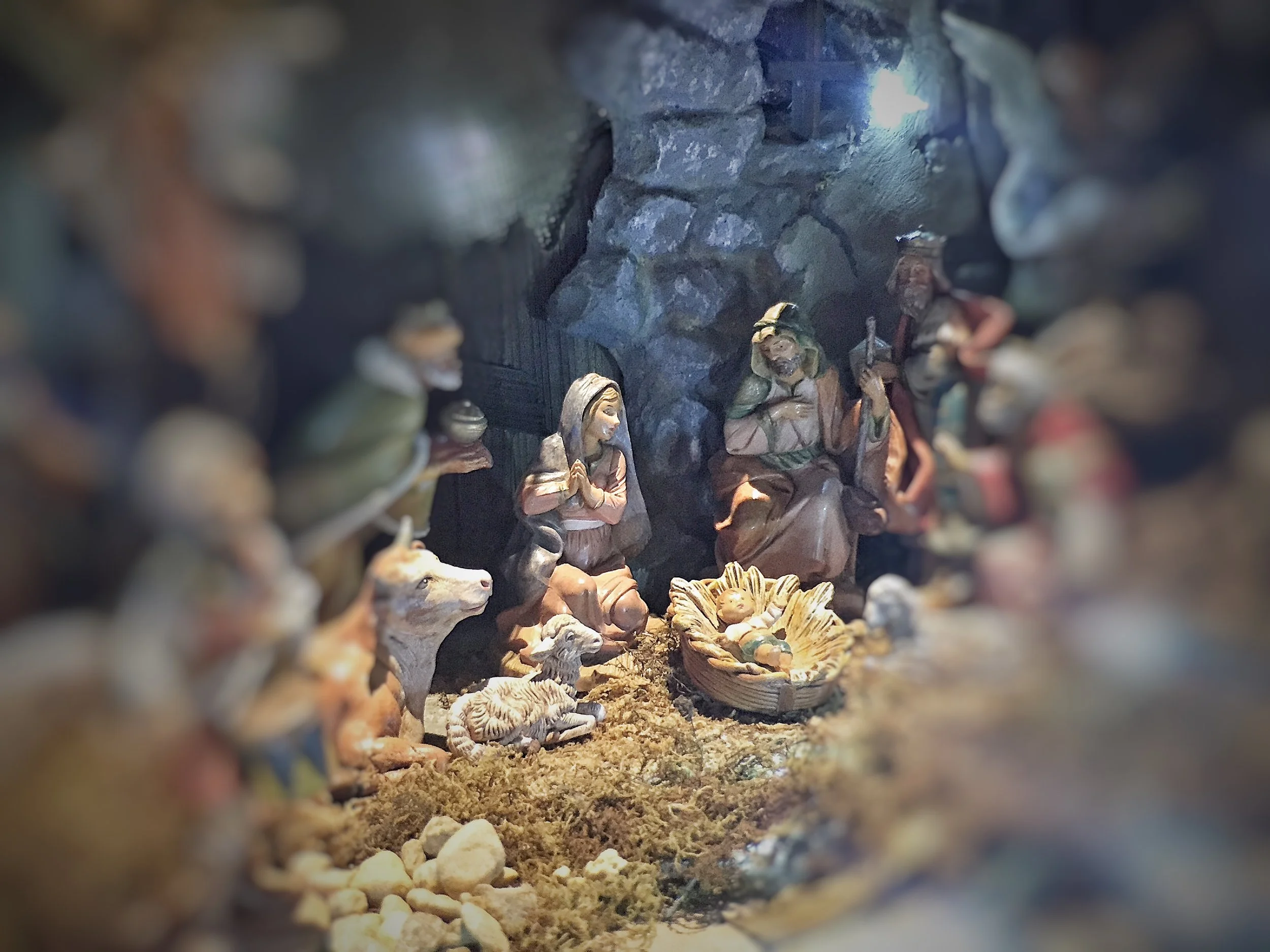
Have you driven by all the outside nativity scenes in front of houses or churches? Well, that might be cosy in warmer climates, but what about little Jesus freezing outside at 20 below? Wouldn't a child cry out: "Look, little Jesus is freezing!" How have we gotten used to the Christmas story as mere decoration item? Who had the idea to put nativity scenes outside in the snow anyway?
With this image of the moon rising over the Sacred Heart Chapel at Saint Benedict's monastery, MN on New Year's Eve we greet you at this turn of the year. By gracious powers wonderfully sheltered is a much-loved hymn by Dietrich Bonhoeffer that is widely sung in German speaking lands at this threshold. May it comfort you walking into the new....
We have been doing some difficult work on this journey, with what seems like nigh-impossible goals: to cultivate a virgin heart, to sit in perfect silence, to reach that inner room where God meets us. Even under the best of conditions, it would be easy to lose heart. Even in a quiet room, with a candle for focus, and time for concentration, the thoughts keep intruding, insistent: undone tasks, unchecked lists, repressed sorrows, old embarrassments, new fears. We are imperfect pilgrims.
On the fourth Day of Christmas snow drifted ever so quietly down to earth, tenderly covering the landscape with a white veil. Every year I am afraid of winter. Every year I am, again, taken by surprise to watch the beauty of the first snow falling, to listen to my silent steps in the thin blanket of snow. The whole world is washed clean and hushed into a peaceful rest.
It is often just so in the spiritual world. We get afraid when, in our lives, the last colors of Fall vanish and our life is put on hold under an icy layer of cold. Yet still, we know, somewhere below those cold layers there is life waiting to burst into bloom again in spring.
I gave a talk on the cursing psalms the day after Al Qaeda-inspired terrorists attacked multiple targets in the USA. In these days of renewed war in Europe, what shall we do with our sorrow, our despair, and our anger at such naked aggression, mass slaughter, and soulless calculation for war? Poetry gives us words for our unspoken, and unspeakable, feelings.

There is much to learn in the seasons of the church year even for not so churchy people. With patience and persistence it calls us into movements of heart, like passion week calls us into tending to our sorrows. Being called to mourning is an existential task. No religion can do it for us. It cannot be mere theater that we watch. But religion can help us to be reminded and can provide for us an occasion. There is no resurrection, no new beginning without the deep mourning of the old, without letting go what we loved so dearly, without mourning our losses.


Pondering Gethsemane. A Lenten poem.
The gift of Lent is practicing the luminous in everyday living. Let us expand our image of fasting, almsgiving, and prayer and use them as ways to open us to the divine in our daily routine.
Consider the phrase βluminous darkness.β What does that look like-shining, shimmering, reflecting, glossy, black? Where do we find that deep, rich black that shines and illuminates? Or consider βgenerative darkness.β Who brings us that deep, fecund, nourishing dark soil? In this Lenten time of repentance, our guest writer, Marian McKone offers us these images of darkness as a corrective to our limited stereotypes of dark and light. She draws us gently towards the darkness as a positive image of nourishment and clarity of vision, and provides us with inspiring examples of luminous and generative people of color.
What if we would see our Lenten journey as a wonderful invitation instead a time of penitence? A time to discover our deep longing and yearning, to create space to invite the voice of Life to speak? Maybe in the hot, dry, dizzying place of the desert we might see beauty, discover life lessons from nature and unearth sustenance from simple things. Maybe in our thirst we will experience moments of Oneness and explore who we are and whose we are.
Today, on the last step of our journey though the 12 days of Christmas we invite you to ponder the Divine word within.
This week our midweek blessing comes in the words of Hildegard of Bingen.
Hildegard helps us to see that we have, all along, already been traveling with the wise (wo)men on their journey. This is the journey of the heart to the place where Divine wisdom dwells, away from what we considered urgent and important and towards the living light, who wants to dwell in us.
A warm welcome to you into the new year! On such a day, we do not recommend any heavy spiritual lifting or deep meditation. We propose instead a New Yearβs walk to clear the mind and to welcome your body into the new year. Follow this by imbibing Hildegard von Bingenβs spiced wine to warm your hands and heart. There is a recipe at the very end of this reflection.
For some, mother's day comes with a bittersweet undertone. No happy children posting happy messages. Some have lost their children before they could birth them, some lost them later, to death or to life. All mothers are also daughters, some cherishing, some mourning, some still struggling with their own mothers.
Yesterday we practiced looking at the Divine birth through the eyes of a child. Today I would like to offer some guidance about the story of wise men from the medieval Abbess and spiritual guide Hildegard of Bingen. In her Christmas homilies, she invites us to translate the Christmas story into the heart's journey. But what does Epiphany, the feast of the three kings, have to do with our heart's journey?
Perhaps because our normal listing of them, like any classification system, obscures their deeper meaning for our lives.
Saint Martin of Tours, a 4th century saint who was drafted by the Roman military, is famous for using his sword to cut his military cape in half to give to a beggar in the cold of the northern French winter. The virtues of Saint Martin are many, and one might say the episode with the beggar is evidence of great charity, or of compassion or kindness or mercy, or even of courage.
For some, mother's day comes with a bittersweet undertone. No happy children posting happy messages. Some have lost their children before they could birth them, some lost them later, to death or to life. All mothers are also daughters, some cherishing, some mourning, some still struggling with their own mothers.
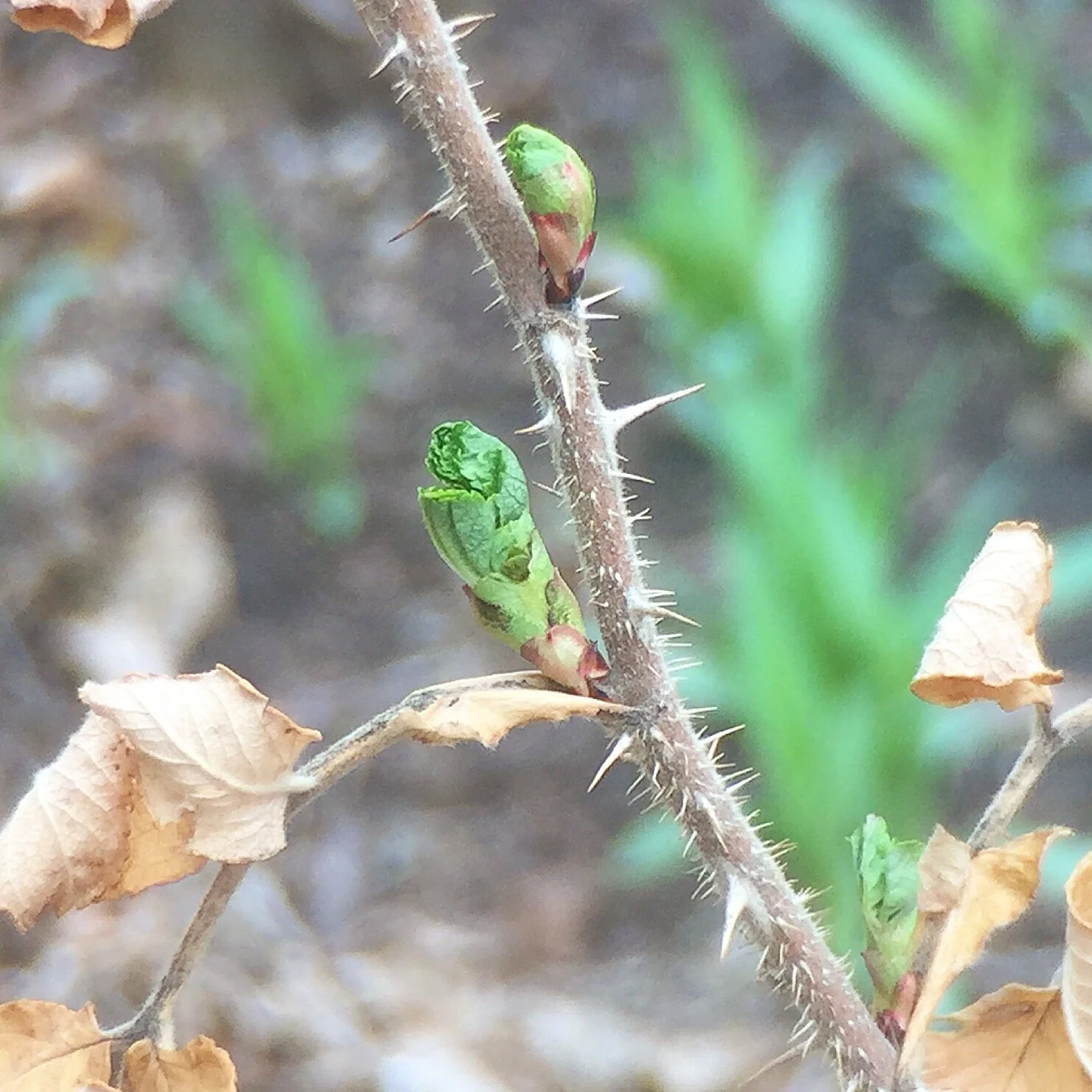
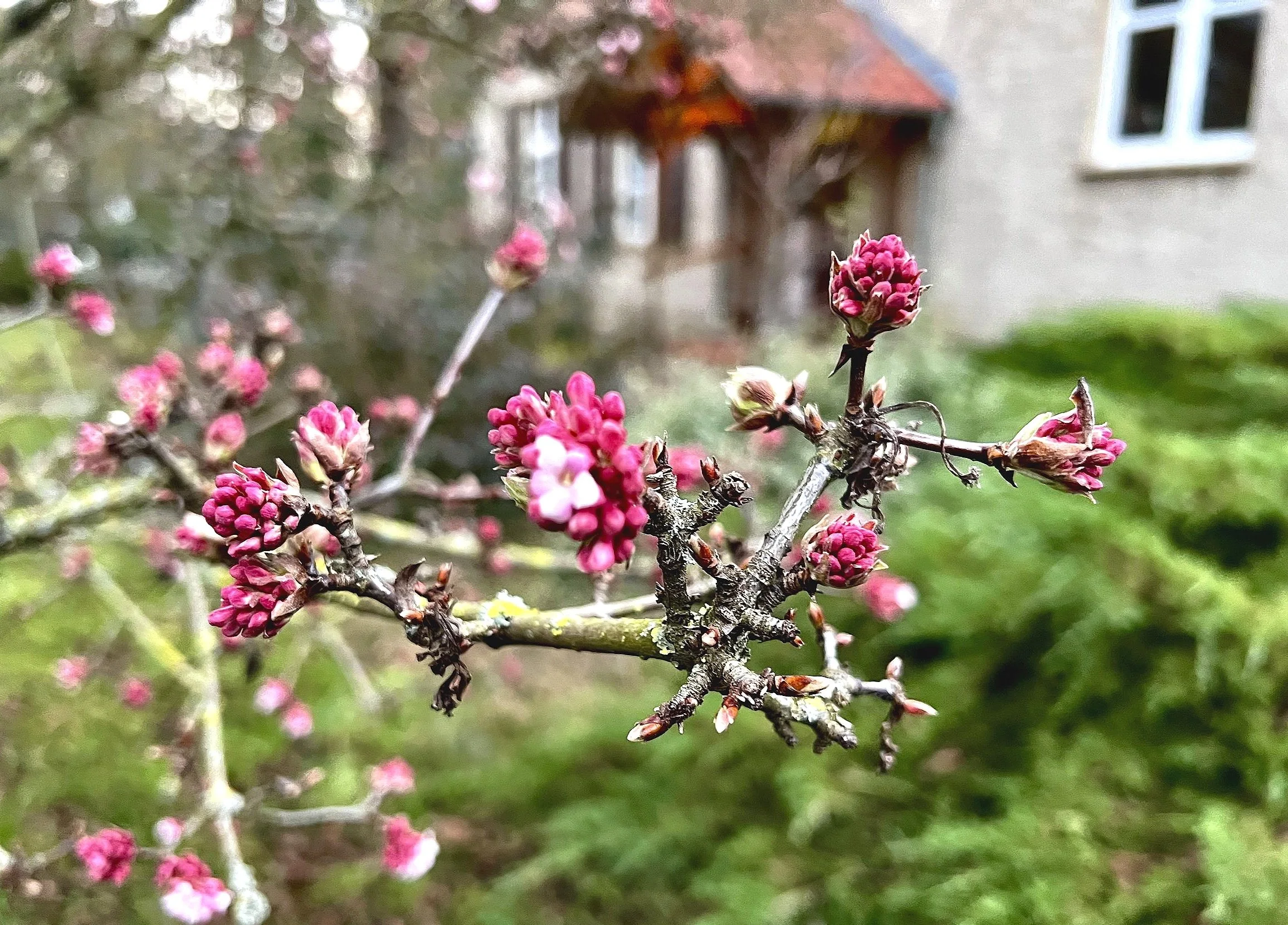
There is likely no better time to ponder Hildegard of Bingen's concept of viriditas, the greening power of all creation, than a Minnesota spring. I am every year taken by surprise when dead looking branches finally, suddenly, purposely, sprout little green buds. And how full of potency do those red rhubarb heads look while pressing their new stems forcefully through the rock and cold mud? If we were only patient, we could watch their first green leaves slowly unfolding.
With his Passion JS Bach has created a grand lamentation. His music gives us a container for our sorrows and seduces us into the beauty of lamentation. Joining in this orchestrated experience of mourning can actually be self-soothing and a strategy for resilience in the face of tragedy.
With his Passion JS Bach has created a grand lamentation. He does not to believe that coping with our fears and sorrows means to keep them in check in order to quickly get over them. Instead his music gives us a container for our sorrows and seduces us into the beauty of lamentation. Joining in this orchestrated experience of mourning can actually be self-soothing and a strategy for resilience in the face of tragedy.
Why is it that we fall in love? How do we lose our balance to do this? And isnβt this a good thing, this falling? At the beginning of this New Year, listen to Rumiβs poetry calling you into the wide expanse of this new year. Try something different β slip to one side of yourself and fall in love with this new day.
With this image of the Christmas star over our home we greet you at this turn of the year. By gracious powers wonderfully sheltered is a much-loved hymn by Dietrich Bonhoeffer that is widely sung in German speaking lands at this threshold. May it comfort you walking into the new yearβ¦
Instead of simply saying good riddance to this Annus Horribilis, we invite you for a time of gracious recollection and redemption. You can do this by walking in silence, by looking back on the reflections of this 12 day journey so far, or by taking some time to look with kindness on your life using the practice we provide.
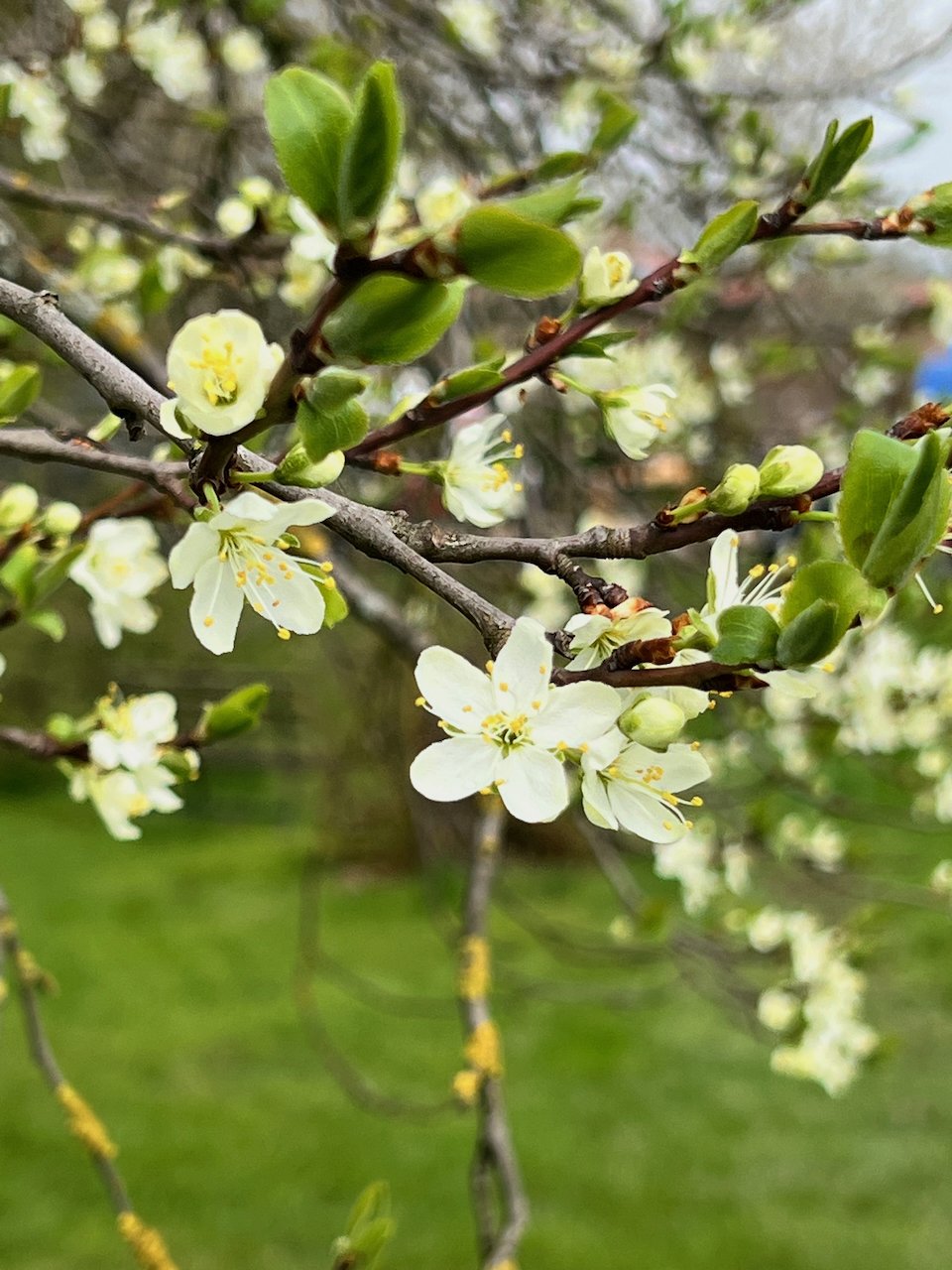
Watching Spring unfold is a beautiful metaphor for the Easter season. May new hope unfold in you just as Spring does after a long winter.
Pondering Gethsemane. A Lenten poem.
Brief Reflections
Read along on what Almut is writing over at our @cloisterseminars on Instagram.
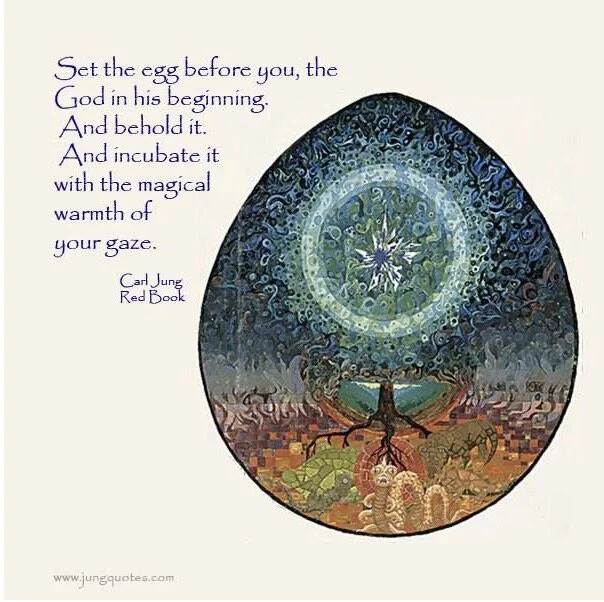
Ponder the egg shaped buds blossoming into leaves and blooms. May you find the Divine signature within.
Watching Spring unfold is a beautiful metaphor for the Easter season. May new hope unfold in you just as Spring does after a long winter.
This week our midweek blessing comes in the words of Hildegard of Bingen.
If the world around you
gets so busy
that you fear to drown in the noise
retreat to the little things
which your heart can capture
and hold in real timeβ¦.
Mindful obedience sets us free because it balances the heart on the eternal. Never finished, always imperfect, always getting up again, always needing sound advice from others, always desiring, or wanting to desire, the eternal.
The practice of Lent often distracts us from its point: to return to the eternal. Proper action based on discernment is central to regaining our balance. This is one lesson from the Desert Eldersβ idea of obedience.
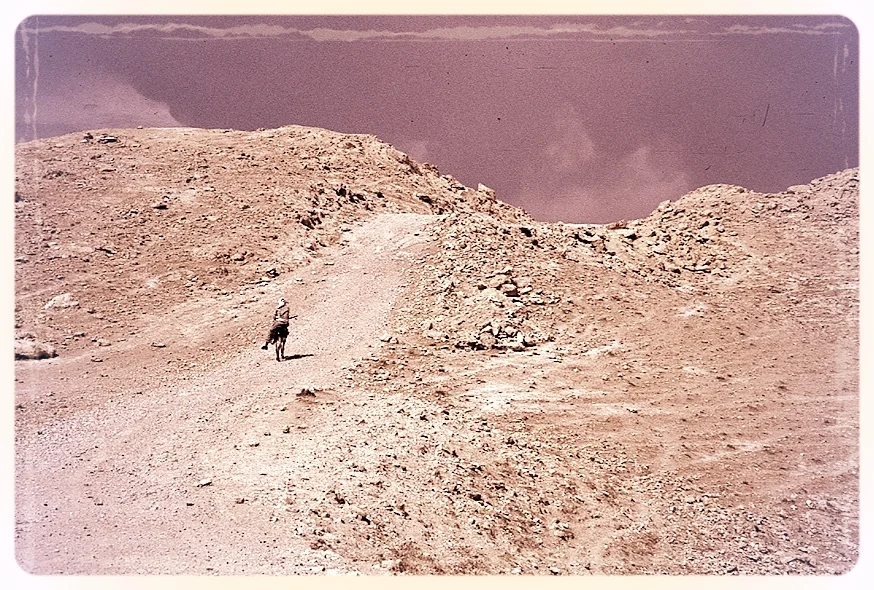
Three hundred years after the death of Jesus on the outskirts of Jerusalem and 1,000 kilometers away, the habitable margins of the deserts of Egypt were filling up with strange people devoted to becoming more like him. The eldest and most revered of these are called the Desert Elders. Most were native Egyptian villagers and peasants who left their villages and farms to enter the desert and follow more seriously the way of Christ. They were mostly poor, not well educated, and of lower social class. Their language was Coptic, with its roots in the ancient agriculture of the Nile.
The sorrow of the days before Easter is at the heart of the Desert Elders' teaching. But grief is out of fashion. We prefer to be spiritual.
What to do when we find ourself in the Desert? Welcome our fears with a fiery humility.
Our pilgrimage is interrupted by unexpected events. Can obedience to these interruptions be the real journey?
When our will bumps up against the will of another, we can discern the desires of the true self.
I have always thought of humility as simpering and self-effacing β silent because of fear or weakness. While reading the Sayings of the Desert Elders, I was stunned by the image of a fiery humility. Where had that been hiding?
Today I want to introduce you to a central practice of the Desert Elders: conversation. This is not a conversation to meet the other, it is a conversation with another in which we meet, and come to know, ourselves.
Three hundred years after the death of Jesus on the outskirts of Jerusalem and 1,000 kilometers away, the habitable margins of the deserts of Egypt were filling up with strange people devoted to becoming more like him. The eldest and most revered of these are called the Desert Elders. Most were native Egyptian villagers and peasants who left their villages and farms to enter the desert and follow more seriously the way of Christ. They were mostly poor, not well educated, and of lower social class. Their language was Coptic, with its roots in the ancient agriculture of the Nile.
With his Passion JS Bach has created a grand lamentation. He does not to believe that coping with our fears and sorrows means to keep them in check in order to quickly get over them. Instead his music gives us a container for our sorrows and seduces us into the beauty of lamentation. Joining in this orchestrated experience of mourning can actually be self-soothing and a strategy for resilience in the face of tragedy.
With this Easter Oratorio by Bach we greet you on this Easter morning one more time. Finally the trumpets and timpani. Bach has led us tenderly through deep emotions of loss, failure, fear and grief, on Easter Sunday trumpets and timpani get their say.
When singing the St. Matthew Passion with the Munich Bach choir one moment stood out: silence. The silence entered when our conductor intentionally held onto the rest after Jesus bowed his head and died. He stood still, with his arms in suspension, cradling the time. It was as though the whole audience sighed together, like our hearts stood still for a moment, pausing in unison. Since then I have known that conducting the pause is as important as conducting the whole Passion...
Where is our hope in times of daily death counts? Our hope is in a God who died publicly humiliated outside the walls of a minor city in a great empire. Our hope is in a God who chooses humility over grandiosity, a God who bows deeply, who suffers with us, even unto death.
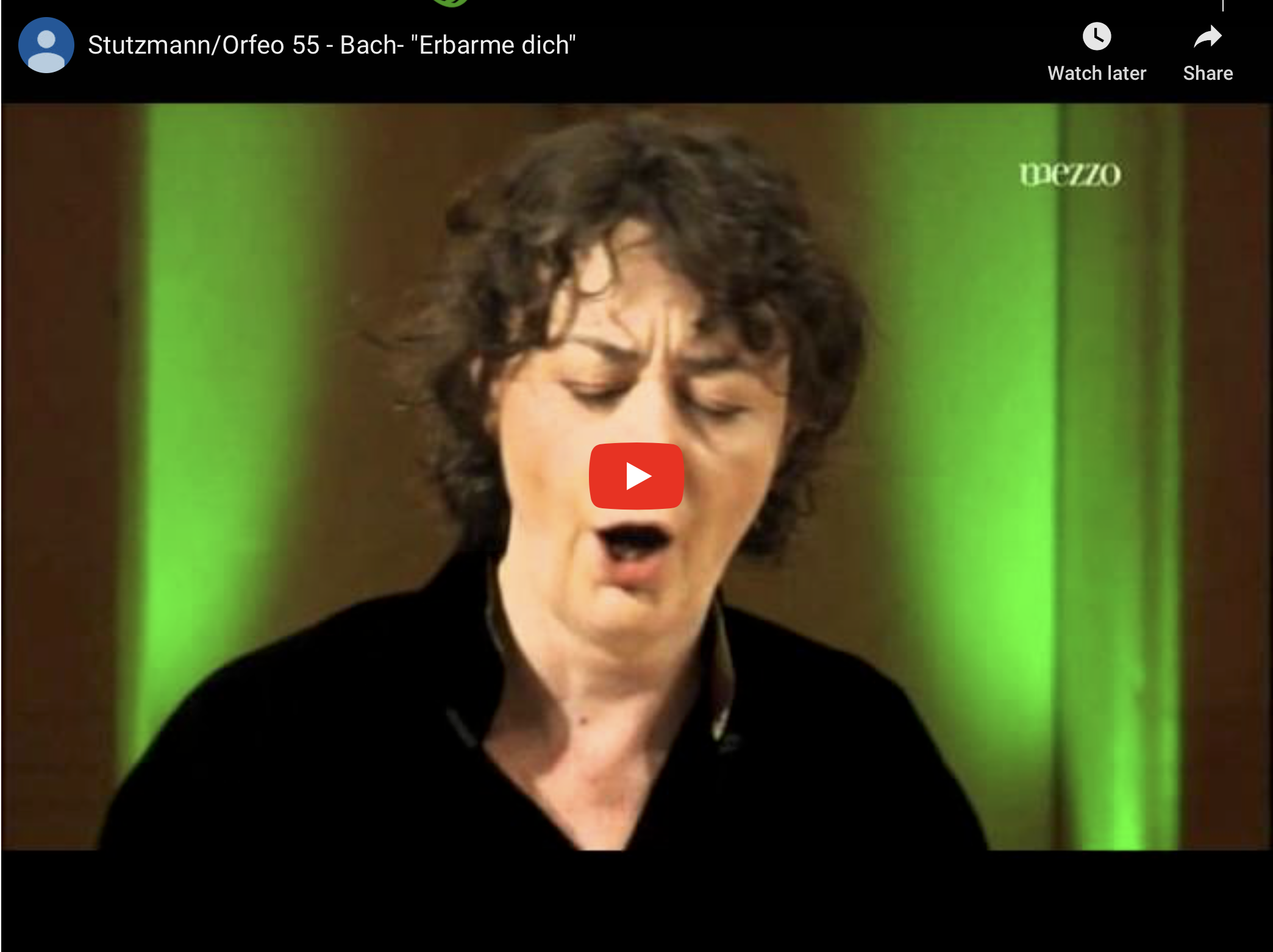
One can hardly say anything more meaningful than is already said in this ethereal Aria of JS Bachβs St. Matthew Passion and the angelic earnestness of the interpretation by the male Alto Tim Mead and the Netherlands Bach Society. May you find comfort and healing in it and may it move you to shared compassion with those who suffer in these troubled times.
Today we walk with Peter through his courage, betrayal, and desolation at the cock crow. The music is frenetic and the themes are challenging. But Bach has strategically placed soothing moments that show empathy for the sufferer and offer consolation. We will look together at both the difficulties and the consolations, and then suggest a process and practice to bind them together.
The arias in Bachβs Passions are wells of deep emotion. Time stands still, while we follow a movement of heart to the depth of our soul. Bachβs aria βHave mercy, my Godβ, invites us almost to dance through our bitter weeping, to get out of our frightened state, and back into motion. It seduces the listener into graceful mourning and the gentle desire for mercy.
With his Passion JS Bach has created a grand lamentation. He does not to believe that coping with our fears and sorrows means to keep them in check in order to quickly get over them. Instead his music gives us a container for our sorrows and seduces us into the beauty of lamentation. Joining in this orchestrated experience of mourning can actually be self-soothing and a strategy for resilience in the face of tragedy.
What I most long for at Christmas is silence. When the hustle and bustle fades, the people go home and the lights go off. Left alone before the flicker of a last candle, wondering, even doubting, what this is all aboutβ¦
The βinner monasticβ is a nice metaphor for the goal of spiritual formation. This image will always be shaped by our prejudices of the true goal, our limited experience, and our own psychological needs and fears. So our progress toward the goal will require constant revision. We can unpack it as the cultivation of attitude (e.g. of longing, of proper detachment), of knowledge, (e.g. of particular practices, but also knowledge of oneself), and of skills (e.g. listening, self-critique). Over this coming Fall, I will begin a series of posts on these aspects of waking your inner monastic. Please join us.
When singing the St. Matthew Passion with the Munich Bach choir one moment stood out: silence. The silence entered when our conductor intentionally held onto the rest after Jesus bowed his head and died. He stood still, with his arms in suspension, cradling the time. It was as though the whole audience sighed together, like our hearts stood still for a moment, pausing in unison. Since then I have known that conducting the pause is as important as conducting the whole Passion...
One can hardly say anything more meaningful than is already said in this ethereal Aria of JS Bachβs St. Matthew Passion and the angelic earnestness of the interpretation by the male Alto Tim Mead and the Netherlands Bach Society. May you find comfort and healing in it and may it move you to shared compassion with those who suffer in these troubled times.
Today we walk with Peter through his courage, betrayal, and desolation at the cock crow. The music is frenetic and the themes are challenging. But Bach has strategically placed soothing moments that show empathy for the sufferer and offer consolation. We will look together at both the difficulties and the consolations, and then suggest a process and practice to bind them together.
On this Holy Tuesday I want to invite you into a holy pause to cradle your heart. The Aria I have chosen from the Matthew Passion offers you an invitation to self-compassion. To be compassionate even with your βbleeding heart.β
The arias in Bachβs Passions are wells of deep emotion. Time stands still, while we follow a movement of heart to the depth of our soul. Bachβs aria βHave mercy, my Godβ, invites us almost to dance through our bitter weeping, to resist our resistance, and to open the heart to graceful mourning and the gentle desire for mercy.
With his Passion JS Bach has created a grand lamentation. His music gives us a container for our sorrows and seduces us into the beauty of lamentation. Joining in this orchestrated experience of mourning can actually be self-soothing and a strategy for resilience in the face of tragedy.
Mindful obedience sets us free because it balances the heart on the eternal. Never finished, always imperfect, always getting up again, always needing sound advice from others, always desiring, or wanting to desire, the eternal.
The practice of Lent often distracts us from its point: to return to the eternal. Proper action based on discernment is central to regaining our balance. This is one lesson from the Desert Eldersβ idea of obedience.
Three hundred years after the death of Jesus on the outskirts of Jerusalem and 1,000 kilometers away, the habitable margins of the deserts of Egypt were filling up with strange people devoted to becoming more like him. The eldest and most revered of these are called the Desert Elders. Most were native Egyptian villagers and peasants who left their villages and farms to enter the desert and follow more seriously the way of Christ. They were mostly poor, not well educated, and of lower social class. Their language was Coptic, with its roots in the ancient agriculture of the Nile.
On Epiphany we traditionally remember the three Kings or Magi who brought Gold, Frankincense, and Myrrh as gift to the child. Their coming from βthe Eastβ (likely Persia) is traditionally seen as a foreshadowing of the international reach of the Divine revelation. But the Nunc Dimmitis is another place where inter-religious themes emerge: βbefore the face of all peoples.β Listen to this beautiful piece sang by all St Olaf choirsβ¦
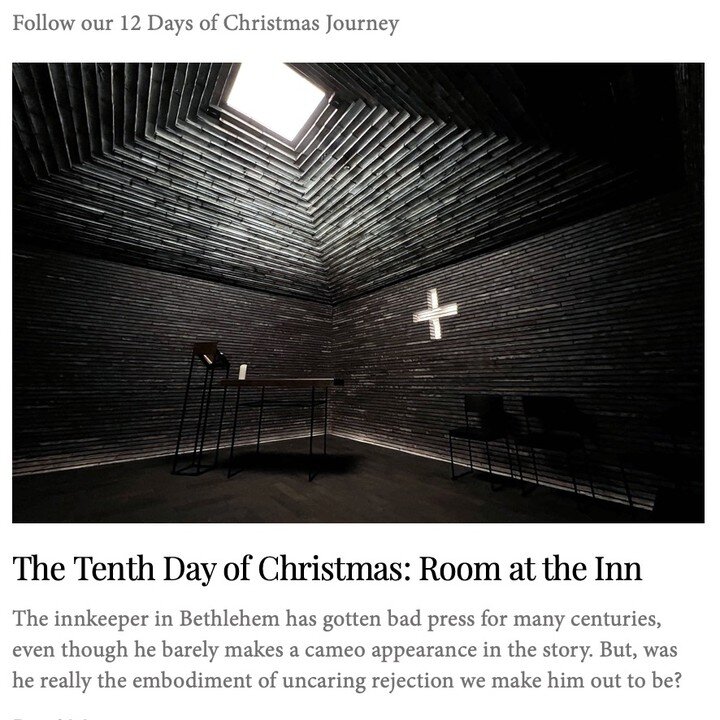
The innkeeper in Bethlehem has gotten bad press for many centuries, even though he barely makes a cameo appearance in the story. But, was he really the embodiment of uncaring rejection we make him out to be?